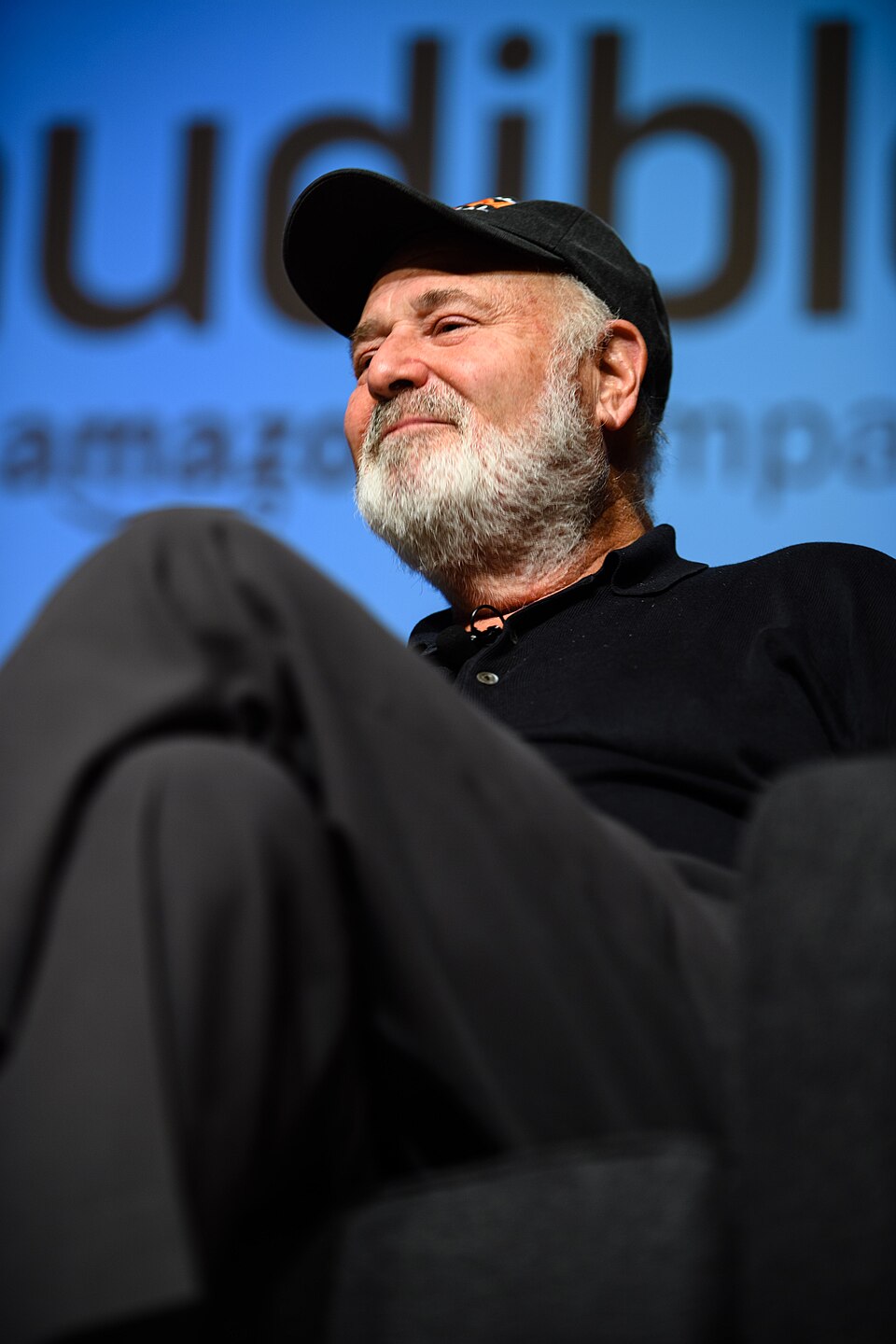
Beyond the Gold Statuettes: Rob Reiner's Enduring Legacy of Emmy Wins and Cinematic Masterpieces
When the name Rob Reiner is mentioned in Hollywood circles, a rich tapestry of comedic genius, dramatic depth, and directorial prowess immediately comes to mind. While many inquiries revolve around Did Rob Reiner Win an Oscar? Exploring His Academy Award Nod, his career is far more expansive and celebrated than any single award category can define. Indeed, while an Academy Award eluded him, Reiner has cemented his place in film history with multiple Emmy wins, a star on the Hollywood Walk of Fame, and a string of films that have become indelible parts of popular culture. His journey from an iconic sitcom character to one of cinema's most versatile and beloved directors showcases a talent that transcends mere accolades, proving that true legacy is built on impact, not just trophies.
From his early days as a groundbreaking television actor to his celebrated tenure behind the camera, Reiner has consistently demonstrated an uncanny ability to connect with audiences and critics alike. His work spans a remarkable spectrum of genres, from uproarious mockumentaries and heartfelt romantic comedies to tense psychological thrillers and powerful legal dramas. It's a testament to his skill that so many of his films are not just remembered, but actively rewatched and cherished decades after their release.
More Than Just Nominations: Rob Reiner's Emmy Triumphs and Acting Roots
Before Rob Reiner became a directorial force, he first captured the hearts of millions as an actor, a role that brought him significant critical acclaim and tangible awards. Born to legendary entertainer Carl Reiner and actress Estelle Reiner, Rob inherited a natural flair for performance. His breakthrough came with the iconic 1970s American sitcom All in the Family (1971–1979), where he played the beloved and often exasperated Michael "Meathead" Stivic.
Reiner’s portrayal of Meathead was more than just a comedic turn; it was a character that embodied the changing social dynamics of the era. As the liberal son-in-law to the bigoted Archie Bunker, Meathead served as a crucial foil, igniting countless debates on sensitive topics like race, politics, and social justice within the Bunker household and, by extension, in living rooms across America. This nuanced performance earned Reiner not one, but two Primetime Emmy Awards for Outstanding Supporting Actor in a Comedy Series (in 1974 and 1978). These Emmy wins were not just personal triumphs; they were a clear indication of his talent and widespread popularity, establishing him as a household name and a respected actor long before he stepped into the director's chair. This period of his career laid the foundation for his understanding of character, dialogue, and audience engagement – invaluable lessons he would later apply to his filmmaking endeavors.
From Sitcom Star to Directorial Maestro: Shaping Cinematic History
Reiner's transition from acting to directing was not just successful; it was an extraordinary leap that produced some of the most influential and beloved films of the late 20th century. His directorial debut, the heavy metal mockumentary This Is Spinal Tap (1984), immediately showcased his unique comedic sensibility and a knack for creating instantly quotable cinema. It became a cult classic, pioneering the mockumentary genre and influencing countless filmmakers.
What followed was an incredible streak of hits that defied genre boundaries:
- The Sure Thing (1985): A charming romantic road comedy that demonstrated his ability to craft engaging, character-driven narratives.
- Stand by Me (1986): A poignant coming-of-age drama based on a Stephen King novella, which is lauded for its heartfelt performances and timeless exploration of friendship and loss. It showcased Reiner's capacity for deep emotional storytelling.
- The Princess Bride (1987): An adventure romance that masterfully blended fairy tale tropes with sharp wit and memorable characters, achieving legendary status and a Hugo Award. Its enduring appeal lies in its clever script and Reiner's ability to balance humor, romance, and action.
- When Harry Met Sally... (1989): Often cited as one of the greatest romantic comedies of all time, it redefined the genre with its witty dialogue and exploration of the complexities of platonic vs. romantic relationships. Reiner earned a Golden Globe nomination for Best Director for this film.
This early period of his directorial career demonstrated an astounding versatility, establishing Reiner as a director capable of eliciting stellar performances and crafting stories that resonated deeply with diverse audiences. He proved that he could tackle comedy, drama, and romance with equal mastery, laying the groundwork for his later, even more ambitious projects.
The Peak of Popular and Critical Acclaim: A Legacy of Blockbusters and Beyond
The early 1990s saw Rob Reiner continue his prolific run, delivering films that not only achieved box office success but also garnered significant critical recognition and solidified his status as a major Hollywood director. These films often pushed the boundaries of their genres, showcasing his range and ability to handle intense narratives.
- Misery (1990): A chilling psychological thriller, again based on a Stephen King novel, it was a box office hit and earned Kathy Bates an Academy Award for Best Actress, a testament to Reiner's skill in directing powerful performances.
- A Few Good Men (1992): This gripping legal drama became a cultural phenomenon, boasting an all-star cast and an iconic screenplay. It was a massive critical and commercial success, earning an Academy Award nomination for Best Picture. While many wonder about Rob Reiner's Oscar wins, it's this film that represents his closest brush with the Academy's top honors, solidifying his directorial reputation. Reiner himself earned a Golden Globe nomination for Best Director for his meticulous work on this film. For a deeper dive into its impact, explore A Few Good Men: Rob Reiner's Path to an Academy Award Nomination.
- The American President (1995): A sophisticated political romance that blended sharp dialogue with a compelling story about leadership and love. It earned Reiner another Golden Globe nomination for Best Director, further illustrating his continued relevance and skill across different genres.
This period cemented Reiner's ability to not only create popular entertainment but also to craft films that engaged with serious themes and delivered memorable cinematic experiences. His consistent nominations for prestigious awards like the Golden Globes and BAFTAs, alongside the critical reception of his films, speak volumes about his consistent excellence and enduring appeal.
A Walk of Fame and Lasting Impact: Rob Reiner's Enduring Influence
Rob Reiner's contributions to cinema and television extend far beyond his Emmy wins and directorial nominations. His career is punctuated by numerous accolades that underscore his profound and lasting impact on the entertainment industry. In 1999, he was honored with a star on the prestigious Hollywood Walk of Fame, a recognition of his significant and consistent work as both an actor and filmmaker over decades. This tangible mark in Hollywood's history serves as a permanent tribute to his contributions.
Further demonstrating his esteemed standing, Reiner received the Chaplin Gala Tribute at the Film at Lincoln Center in 2014, an honor previously bestowed upon legendary figures like Meryl Streep, Tom Hanks, and Martin Scorsese. This tribute celebrated his career as a whole, acknowledging his artistic integrity and the profound influence of his diverse body of work.
Perhaps most indicative of his cultural legacy is the fact that three of his films—This Is Spinal Tap, Stand by Me, and The Princess Bride—have been inducted into the National Film Registry. This distinction is reserved for "culturally, historically, or aesthetically significant films" selected for preservation by the Library of Congress. It highlights not just the popularity of these films, but their lasting importance and contribution to American cinema. These films, diverse in genre, collectively showcase Reiner's unique ability to tap into universal themes, craft unforgettable characters, and create cinematic experiences that resonate across generations.
Tip for aspiring filmmakers: Reiner's career demonstrates the power of versatility and storytelling. Don't be afraid to explore different genres and find the emotional core of your narrative, whether it's a laugh-out-loud comedy or a gripping drama. His success also shows that a strong foundation in acting can provide invaluable insight into directing performances.
Conclusion
Rob Reiner's illustrious career is a testament to multifaceted talent and an unwavering commitment to compelling storytelling. While discussions about "rob reiner oscars" often focus on his Academy Award nominations, particularly for the acclaimed A Few Good Men, his legacy is undeniably broader and richer. With two Primetime Emmy Awards for his iconic acting, multiple Golden Globe and BAFTA nominations for his visionary directing, and a string of films enshrined in the National Film Registry, Reiner has carved an indelible niche in Hollywood. He is a filmmaker whose work has not only entertained millions but also challenged, moved, and inspired, proving that true cinematic greatness lies not in a single golden statuette, but in the enduring impact of a truly remarkable body of work.